

Key Takeaways
- Organize your itinerary around two or three nearby Miami neighborhoods rather than traveling across the county for every meal.
- Set a realistic food budget that includes taxes, gratuity, drinks, transportation, and unexpected expenses.
- Match each restaurant to the occasion, whether it is a casual lunch, family outing, cultural experience, or special dinner.
- Balance one or two planned dining experiences with flexible stops at cafés, bakeries, and local food spots.
- Check current menus, reservation policies, weather, and transportation options before heading out.
- Leave room for spontaneous discoveries instead of filling every hour with a reservation.
A memorable Miami, Florida food weekend is less about chasing every buzzy reservation and more about matching each meal to the part of the city you are already exploring. A curated list of popular Miami restaurants can be a useful starting point, but the best itinerary also accounts for travel time, weather, parking, energy level, and the kind of experience your group actually wants.
Miami’s dining scene spans beachside hotel districts, busy urban centers, historic cultural neighborhoods, and quieter residential areas. Instead of crossing the county for breakfast, lunch, and dinner, choose a few nearby zones and give yourself room to linger. That approach makes it easier to enjoy the food, rather than treating every reservation like an appointment to race toward.
Table Of Contents
- Why Neighborhoods Matter
- Set A Realistic Budget
- Match Meals To Dining Styles
- Build A Three-Day Plan
- Choose Food By Area
- Save Without Cutting Quality
- Check Current Dining Conditions
- Common Planning Mistakes
- Final Planning Checklist
Why Neighborhoods Matter
Neighborhood planning is the foundation of a relaxed Miami itinerary. The city’s dining areas have distinct rhythms, from oceanfront evenings in Miami Beach to business-district lunches in Brickell and culturally rooted meals farther inland. Reviewing Miami’s popular dining areas can help visitors tailor their plans to the atmosphere rather than simply picking the highest-profile restaurants.
Build each day around a compact area. This leaves time for a beach walk, a gallery visit, a shopping stop, a coffee break, or an unexpected dessert. It also gives you a buffer for rain, heat, traffic, parking, and the occasional restaurant delay. One excellent dinner near your afternoon plans is usually more enjoyable than three meals scattered across the map.
Set A Realistic Budget
A food budget should include more than menu prices. In Miami, plan for food, drinks, tax, gratuity, possible service charges, parking or rideshares, and a modest reserve for a spontaneous stop. Restaurant menus and policies can change, so review current details before you commit.
Suggested Budget Levels
- Value-focused: Prioritize casual counters, bakeries, coffee shops, markets, and one planned splurge.
- Balanced: Combine casual lunches with a few sit-down meals and one higher-cost dinner reservation.
- Celebration: Make room for cocktails, premium seafood, tasting menus, and flexible transportation.
A practical formula is: daily meal allowance + drinks + transportation + a 10-15% backup fund. The backup fund matters because a long beach day can turn into an unplanned snack, or a rainstorm can make a rideshare more appealing than a walk.
Match Meals To Dining Styles
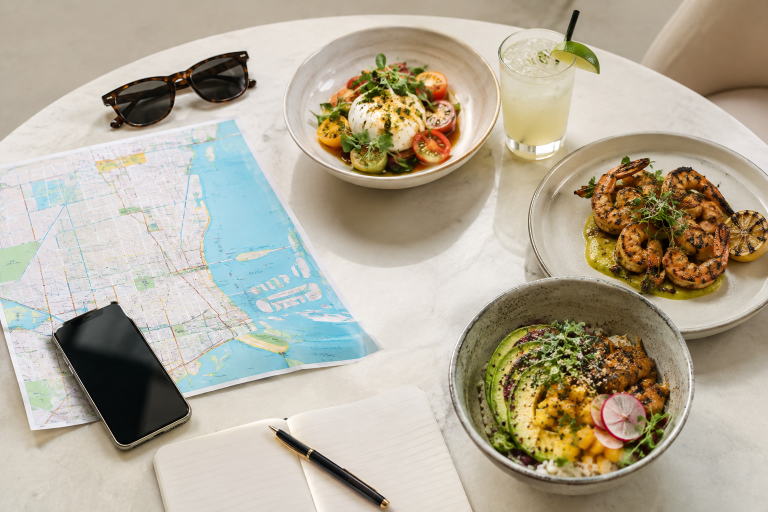
Choose restaurants for the experience your group needs at that moment. A popular room may be perfect for a birthday dinner but frustrating after a flight or with young children.
- Quick and casual: Best for beach days, museum visits, and flexible sightseeing.
- Social dining: Look for shareable menus and a setting where the group can comfortably stay awhile.
- Date night: Consider lighting, noise level, seating style, and how long the meal is likely to take.
- Solo dining: Bar seats and counter service can feel easygoing and efficient.
- Family meals: Check the menu, room layout, wait times, and whether the pace suits your group.
- Special occasions: Confirm dress code expectations, deposits, cancellation terms, and tasting menu duration.
Build A Three-Day Plan
Day One: Start Close To The Hotel
Keep arrival day simple. Choose an easy meal near your hotel, then add a nearby coffee, bakery, or dessert stop if energy allows. Save the most elaborate reservation for a night when everyone has settled in.
Day Two: Plan The Main Food Tour
Use the second day for your most intentional dining. Have breakfast or coffee in one neighborhood, arrange lunch nearby, and reserve dinner in an area that fits the evening you want. Leave time between stops for walking, browsing, and delays.
Day Three: Keep The Schedule Flexible
Anchor the final day with brunch or a casual lunch, then choose a last meal that works with your departure route. A dependable backup option can remove stress if a reservation changes or the group is ready to eat earlier than planned.
Choose Food By Area
- Beach areas: A natural fit for visitors who want water views, hotel dining, and evening activity nearby.
- Central city neighborhoods: Helpful for pairing meals with shopping, museums, offices, or nightlife.
- Historic cultural districts: Well suited to travelers who want traditional dishes and a stronger connection to local community history.
- Residential food areas: Often a better choice for slower-paced meals and neighborhood character.
- Design and entertainment districts: Ideal for groups looking for visual energy, polished dining rooms, and later reservations.
When transportation is part of the plan, use the county’s trip-planning and rider-alert tools before leaving. They can help you decide whether transit, walking, driving, or a rideshare makes the most sense for that particular meal.
Save Without Cutting Quality
- Book lunch when a restaurant offers a menu that fits your goals at a lower overall cost.
- Share a few plates when the group wants variety without ordering a full entrée for everyone.
- Choose one cocktail-focused stop instead of adding drinks to every meal.
- Look for weekday or seasonal prix-fixe offerings, while checking the terms before booking.
- Read the full menu for service charges and add-ons before confirming a reservation.
- Balance one high-cost dinner with casual breakfasts and lunches.
Check Current Dining Conditions
Shortly before your visit, confirm hours, menu availability, reservation rules, deposit requirements, and cancellation deadlines directly with each restaurant. Check outdoor seating plans if weather could affect your meal, and ask about allergies or dietary needs rather than assuming a listed dish can be modified.
Common Planning Mistakes
- Booking meals in distant areas on the same day.
- Underestimating time for parking, walking, and getting seated.
- Filling every meal slot with a reservation.
- Ignoring heat or rain when choosing outdoor seating.
- Choosing a place for trend value instead of group fit.
- Forgetting taxes, tips, fees, and transportation when setting the budget.
Final Planning Checklist
- Choose two or three neighborhoods to explore.
- Set a realistic daily food budget.
- Reserve only the meals that truly need advance booking.
- Leave room for casual discoveries.
- Confirm menus, hours, fees, and cancellation policies.
- Plan transportation between major stops.
- Keep a backup option for each busy evening.
Conclusion
Think of a Miami food weekend as a collection of moments rather than a checklist of restaurants. One morning might begin with coffee and a neighborhood stroll, while the afternoon brings an unfamiliar flavor and the evening ends with a meal worth lingering over. These experiences become easier to enjoy when the budget is sensible, the route is practical, and the schedule leaves room for surprise. You do not need to taste everything Miami has to offer to appreciate its culinary character. Sometimes, a handful of well-chosen stops reveals far more than a packed itinerary ever could.